In today’s fast-paced world, food trends come and go faster than you can say “kale smoothie.” While some fads promote genuinely healthy eating, others may lack scientific backing or practicality for everyday life. To help you separate fact from fiction, Metro Medical Dining Services' nutrition experts have analyzed a few recent food fads, offering insights on what’s worth trying and what might be better to skip.
1. The Keto Craze
What it is: The ketogenic (keto) diet focuses on high-fat, low-carb eating, pushing the body into a fat-burning state called ketosis.
Our Take: While keto can promote weight loss in the short term, it’s not suitable for everyone. “Restricting carbohydrates so drastically can make it difficult to get enough fiber and certain nutrients,” explains Amanda Fields, a registered dietitian at Metro Medical Dining Services. Long-term adherence may also be challenging, and it’s important to consult with a healthcare provider before starting such a restrictive diet.
2. Plant-Based Everything
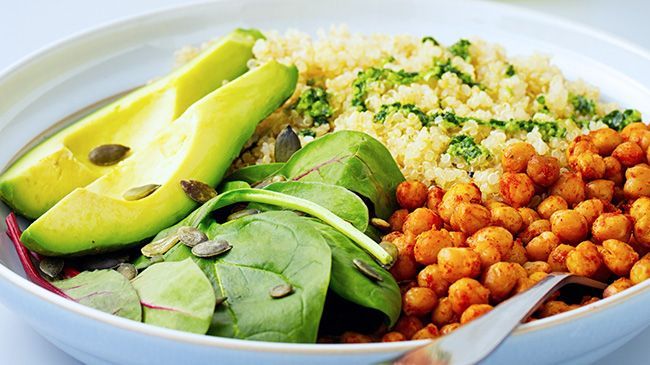
What it is: Plant-based diets emphasize eating primarily or exclusively plant-derived foods, including fruits, vegetables, grains, legumes, nuts, and seeds.
Our Take: This is one trend we can get behind! Plant-based diets are linked to numerous health benefits, such as reduced risk of heart disease and improved gut health. However, Fields warns, “A plant-based diet isn’t automatically healthy. Processed plant-based alternatives, like some meat substitutes, can be high in sodium or unhealthy fats.” The key is to focus on whole, nutrient-dense plant foods.
3. Collagen Supplements
What it is: Collagen supplements, often in powders or pills, claim to improve skin elasticity, joint health, and even hair growth.
Our Take: While collagen supplements may offer some benefits, the evidence is still emerging. “Your body breaks down collagen into amino acids, just like any other protein source,” says Dr. Ravi Patel, a clinical nutritionist. “Eating a balanced diet with sufficient protein from diverse sources may provide similar benefits without the added cost of supplements.”
4. Juice Cleanses
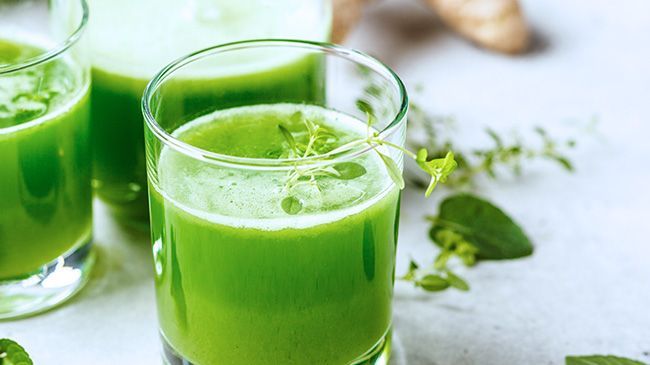
What it is: Juice cleanses involve consuming only fruit and vegetable juices for a set period to “detoxify” the body and promote weight loss.
Our Take: Skip the cleanse. “Your body already has a natural detox system—your liver and kidneys,” Patel notes. Juice cleanses can leave you hungry, lack essential nutrients like protein and fiber, and cause blood sugar spikes. Instead, aim for a balanced diet rich in whole fruits and vegetables for long-term health benefits.